“It’s always really hard, especially when you have to perform in front of the whole world” When Amber Glenn said this at the 2026 Winter Olympic Games, she wasn’t talking about nerves, pressure or the difficulty of landing a triple axel, she was talking about completing while on her period and how that continued to be an obstacle to her performance even at the highest level.
It’s an experience that contrasts with diver and Paris 2024 Bronze medallist Andrea Spendolini-Sirieix: “When I’m on my period, I actually jump my highest, and I feel the strongest.”. In 2002, Paula Radcliffe broke the marathon world record while experiencing period cramps during the race.
It’s a pattern we see again and again, whether it’s Golfer Lydia Ko leaving a reporter speechless when she mentions her period in 2022, or swimmer Fu Yuanhui saying she felt slow on her period during the 2016 Games. The taboo of talking about periods is slowly breaking down, but a photo of triathlete Emma Pallant-Browne bleeding through her race suit still went viral in 2023.
All these stories are a powerful reminder that there are as many different experiences with the menstrual cycle as there are women! Female athletes have their periods just like the rest of us, and, for active women, they are even more important as an indicator of health and energy availability.
Having a period shouldn’t be a barrier to performance, but it can sometimes be a challenge. What’s more, with the right support, truly understanding your menstrual cycle can be a powerful tool to inform your training.
As active women, understanding how the hormonal shifts of our cycle affect the way we feel, train, and recover is genuinely game-changing. So let’s dig into what’s actually happening and what it means for you on the track, in the gym, or wherever your training takes you.
Your cycle, your hormones
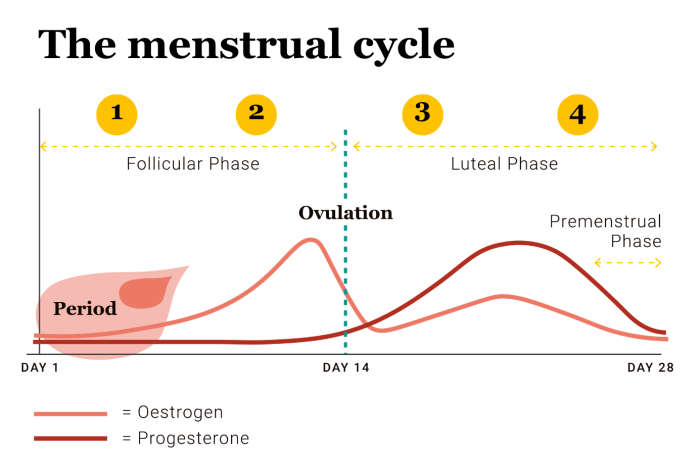
A healthy menstrual cycle can vary anywhere between 24 and 38 days and is governed by two key hormones, oestrogen and progesterone. These fluctuations between these hormones have a very real influence on how you feel physically and emotionally, day to day.
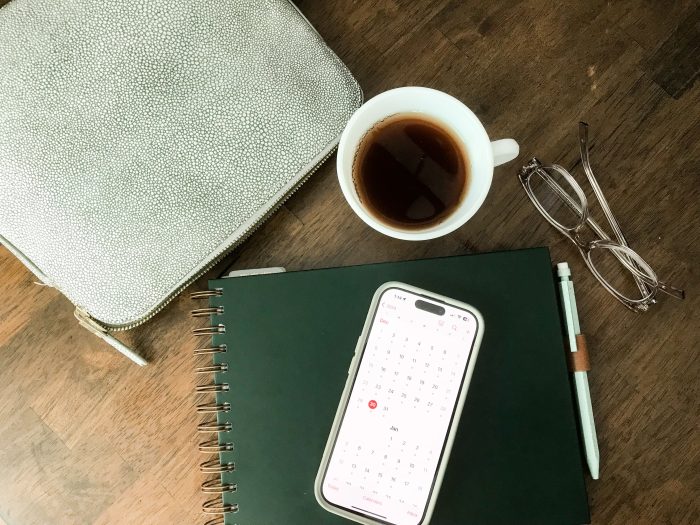
And here’s the important thing: that influence can cut both ways. Your cycle can impact your training and performance both positively and negatively. The key is tracking your menstrual cycle and knowing which phase you’re in and what’s normal for you, everyone feels different.
Below we’ve included the “typical” experience of each part of the cycle to see if you already recognise some of your own patterns.
The first half: your Follicular Superpower
In the first half of your cycle, the follicular phase, oestrogen is on the rise. For many active women, this is the phase that feels like a bit of a superpower. You might notice:
- Increased energy levels
- Quicker recovery from exercise
- Greater motivation to train
- Feeling more confident
This is often a great window for pushing harder, tackling demanding sessions, and making the most of that physical and mental drive. Of course, everyone is different – not all women experience these highs to the same degree – but tuning into whether this phase feels stronger for you is a great starting point.
The second half: your Luteal Rhythm
After ovulation, the body enters the luteal phase. During this stage, both progesterone and oestrogen rise following ovulation (which typically occurs around day 14 of the menstrual cycle) before gradually declining as the cycle progresses without a fertilised egg.
Around ovulation, some athletes report feeling more energetic, which can make it an easier time to train, compete, and socialise.
In the mid-luteal phase, when progesterone and oestrogen levels remain relatively high, some athletes experience improved sleep and reduced anxiety, which may support recovery and overall wellbeing.
As you approach the end of the luteal stage, hormones begin to decline quite rapidly; this is usually referred to as “pre-menstrual”. This hormonal drop can bring challenges for some women: headaches, bloating, increased anxiety, irritability, and menstrual cramps.
Again, this is highly individual. Some women sail through this phase with barely a blip; others find it difficult to go through day-to-day tasks, let alone train. Neither is wrong, and the better you know your own experience by tracking, the better you’ll be able to navigate it.
Strategies for challenging days
If your cycle is negatively impacting your training and performance, the good news is that there’s plenty you can do.
Working with your coach or team to identify strategies for managing those tougher days can make a real difference. Lifestyle and dietary choices can play a significant role in managing your symptoms.
But, if your symptoms feel severe or unmanageable, it’s important to seek medical support. Equally, if you’ve missed periods for three months or more, or if your periods haven’t started by age 15, you need to speak to your GP or a specialist. Amenorrhoea (not starting or losing your periods) has significant implications for health and performance, and it should never be dismissed as just “part of being an athlete.”
Remember, a healthy cycle should be regular, with mild and manageable symptoms, and a manageable period. If you’re suffering in silence, then it’s time to speak out and seek help.
Your period is a sign of health
Let’s say it again: a regular, healthy period is a really positive sign. If you have a regular period, it most likely means that you have enough energy to fuel the demands of your training. Think of it as a monthly health check, like your body giving you the thumbs up.
And don’t forget: your cycle is strongly influenced by your diet, lifestyle, and exercise habits. Get those foundations right, and your cycle will often reflect it.
Managing your menstrual cycle
Let’s also be clear about this: your period does not have to mean a write-off week for training.
Yes, the premenstrual phase can bring challenges, but the menstrual phase itself (the days you’re actually bleeding) can be a time when many athletes feel a surprising shift. As oestrogen and progesterone hit their lowest point at the start of the bleed and then begin to rise again, some women feel a lift in energy and mood as their period gets underway.
That said, the first day or two can be challenging for many women. Here’s how to give yourself the best chance of performing well and feeling good throughout your period.
- Manage symptoms proactively: If cramps are your nemesis, don’t just grit your teeth and hope for the best. Try to get ahead of them by having your usual pain relief strategies ready. Heat therapy, ibuprofen, or other anti-inflammatory medications can all help manage menstrual cramps. For headaches or bloating, staying well-hydrated and reducing salty, processed foods in the days around your period can take the edge off.
- Adapt your training: If day one of your period feels brutal, that’s not the day to push for a personal best – and that’s okay! Swapping a high-intensity session for something lower impact, like a gentle run, a yoga class, or even a walk, keeps your momentum going without overloading a body that’s already working hard. Movement can help to reduce your symptoms.
- Attention to fuelling: Good nutrition is key all month round, and you can’t really fuel for your cycle stage. If you have heavy bleeding or feel tired, it might be worth adding more Iron-rich foods into your diet. Try lean red meat, lentils or dark leafy greens – can really help, as blood loss can deplete iron levels, which directly affects energy and performance. You can pair iron-rich foods with vitamin C to boost absorption.
- Hydrate well: Oestrogen and progesterone influence how your body regulates fluid, and many women retain water in the days before their period, then lose fluid as it arrives. Keep sipping throughout the day, not just when you’re thirsty.
- Prioritise sleep and recovery: Sleep quality can be disrupted in the lead-up to your period, due to hormonal changes and an increase in basal body temperature. So, by the time it arrives, you may already be running on a slight deficit. Cooling your bedroom before you try to sleep in the days before your period, and keeping a regular sleep schedule through the month, can help to improve your sleep and recovery.
Knowing your cycle is your greatest training tool
The most important takeaway: get to know your own cycle.
Tuning in to what each day or phase feels like – physically, emotionally, in terms of energy and motivation – gives you a powerful advantage. Tracking your cycle, noticing patterns, and having open conversations with your coach, team or community means you can adjust your training to work with your body, not against it.
The menstrual cycle should not be a secret or a cause of embarrassment. The more we talk about it, the better we can support every athlete to perform at their best.
Sign up to our newsletter
Bi-weekly updates on women’s health, sports and fitness, from the brains of our experts at The Well HQ to your inbox.
If you have any feedback, complaints or comments please email us at hello@thewell-hq.com
As a reminder, the content of the course belongs to The Well HQ. You have permission to access and use the content yourself or, if you are an organisation, for the number of users selected, but are not otherwise permitted to share such content with others, all in accordance with our Course Terms and Conditions.